
Hasanuddin University (UNHAS) continues its commitment to environmental sustainability by initiating the Trash Trap program in several rivers across Pinrang, Bone, Maros, and Makassar. This initiative aims to reduce water pollution caused by plastic waste and raise public awareness about the importance of keeping rivers clean.
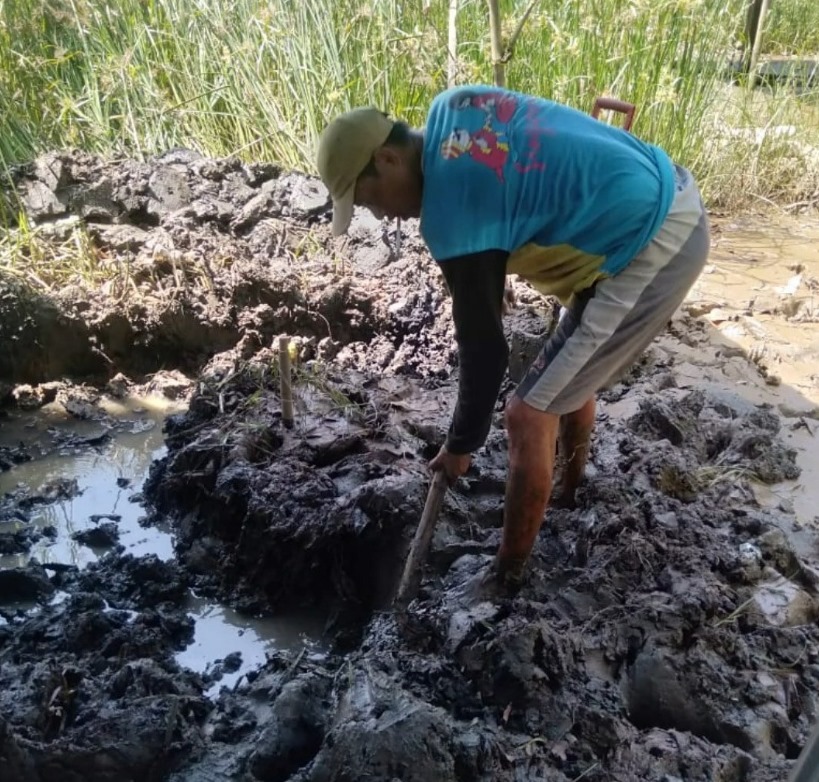
The Trash Traps in each region are not just structures, but community-managed solutions. Local communities, who actively manage these traps, receive incentives from UNHAS. This approach not only encourages their participation in environmental conservation but also serves as an economic empowerment initiative. With the incentives provided, the communities are motivated to maintain and manage the Trash Traps to ensure they operate effectively.
In the future, UNHAS hopes that this initiative can evolve into a more integrated waste management program based on the circular economy concept. One of the plans currently being developed is the establishment of waste banks in each region managed by the local communities, allowing the waste collected in the Trash Traps to be recycled and repurposed. This effort will not only reduce pollution but also open up new economic opportunities for the surrounding communities, demonstrating that sustainability can also be economically beneficial.
The Trash Trap program is part of UNHAS' broader efforts to support sustainable development and preserve aquatic ecosystems. Collaboration with local communities is key to the success of this program, and it is hoped that it can serve as a model for other regions across Indonesia.

 English
  Bahasa Indonesia